Which patients are good candidates for a home sleep apnea test?
Under the 2017 AASM clinical practice guideline, good candidates for a home sleep apnea test (HSAT) are uncomplicated adults whose signs and symptoms indicate an increased risk of moderate to severe obstructive sleep apnea (OSA). Patients with significant cardiorespiratory disease, potential respiratory muscle weakness, hypoventilation, chronic opioid use, a history of stroke or severe insomnia should have polysomnography instead.1
What do AASM guidelines say about HSAT candidates?
The AASM recommends polysomnography, or home sleep apnea testing with a technically adequate device, to diagnose OSA in uncomplicated adults who present with signs and symptoms that indicate an increased risk of moderate to severe OSA.1 This is a strong recommendation in the 2017 guideline by Kapur and colleagues, which also names polysomnography as the standard diagnostic test for adults with a concern for OSA based on a comprehensive sleep evaluation.1
The AASM's 2018 position statement describes HSAT the same way, as an alternative to polysomnography for that uncomplicated, higher-risk group.2 The same statement says an HSAT should not be used for general screening of asymptomatic populations.2 The guideline adds that clinical tools, questionnaires and prediction algorithms should not be used to diagnose OSA in adults in the absence of polysomnography or HSAT.1
What does "uncomplicated" mean?
In the guideline, an uncomplicated patient is defined by the absence of three groups of factors.1 The first is any condition that raises the risk of non-obstructive sleep-disordered breathing, meaning central sleep apnea, hypoventilation or sleep related hypoxemia. Examples in the guideline include significant cardiopulmonary disease, potential respiratory muscle weakness due to neuromuscular conditions, a history of stroke and chronic opiate medication use.1
The second is concern for a significant non-respiratory sleep disorder that needs evaluation, such as a disorder of central hypersomnolence, a parasomnia or a sleep related movement disorder, or one that interferes with HSAT accuracy, such as severe insomnia.1 The third covers environmental or personal factors that preclude the adequate acquisition and interpretation of data from HSAT.1
The AASM's patient education page lists related situations in which a home test may not be a fit. These include a doctor suspecting another sleep disorder and the test being physically difficult for the patient to administer at home.3
Which patients should have polysomnography instead?
The guideline makes a strong recommendation for polysomnography, rather than HSAT, in patients with any of six conditions.1 The list below follows the guideline's wording.
- Significant cardiorespiratory disease
- Potential respiratory muscle weakness due to a neuromuscular condition
- Awake hypoventilation or suspicion of sleep related hypoventilation
- Chronic opioid medication use
- History of stroke
- Severe insomnia
These conditions overlap with the first two parts of the uncomplicated definition.1 Polysomnography also allows positive airway pressure to be started during the study if needed, which cannot happen during an HSAT.1 Where clinically appropriate, the guideline suggests a split-night diagnostic protocol for polysomnography.1
What counts as a technically adequate HSAT?
The guideline describes a technically adequate HSAT device as one with, at a minimum, nasal pressure, chest and abdominal respiratory inductance plethysmography and oximetry, or else PAT with oximetry and actigraphy.1 A technically adequate diagnostic test includes at least 4 hours of technically adequate oximetry and flow data, obtained during a recording attempt that encompasses the habitual sleep period.1
A single HSAT recording is conducted over at least one night.1 For more on night-to-night variability, see whether one night of home sleep testing is enough. For the Medicare device categories, see our overview of the types of sleep studies, Type I to Type IV.
Because HSAT typically does not monitor EEG, EOG and EMG, it uses recording time rather than sleep time as the denominator, and the resulting index is called the respiratory event index (REI).1 HSAT devices that use conventional sensors also cannot detect hypopneas associated only with cortical arousals, which the recommended AHI scoring rule in the AASM Scoring Manual includes.1
What should happen after a negative or inconclusive HSAT?
If a single HSAT is negative, inconclusive or technically inadequate, the guideline recommends polysomnography to diagnose OSA.1 It does not recommend a repeat HSAT in that situation, because of the higher likelihood that a second test will also be negative, inconclusive or technically inadequate.1
The guideline notes that HSAT is less sensitive than polysomnography in detecting OSA, and that a false negative test could harm the patient through denial of a beneficial therapy.1 It names night-to-night variability and inconsistent definitions of respiratory events, such as hypopneas, between HSAT and polysomnography as sources of discordance between the two tests.1
When the initial polysomnogram is negative and clinical suspicion for OSA remains, the guideline suggests that a second polysomnogram be considered.1 For a patient-facing explanation, see what happens if a home sleep test is negative.
Who can order and interpret an HSAT?
According to the AASM's 2018 position statement, an HSAT is a medical assessment that must be ordered by a medical provider to diagnose OSA or evaluate treatment efficacy.2 The statement defines a medical provider as a licensed physician or any other health care professional licensed to practice medicine in accordance with state licensing laws and regulations, and it says only a medical provider can diagnose OSA.2
The statement adds that the need for an HSAT must be based on the patient's medical history and a face-to-face examination by a medical provider, in person or via telemedicine.2 The raw data must be reviewed and interpreted by a physician who is board-certified in sleep medicine or overseen by a board-certified sleep medicine physician, and diagnosis and treatment decisions must not be based solely on automatically scored HSAT data.2
The guideline's good practice statement adds that diagnostic testing for OSA should be performed in conjunction with a comprehensive sleep evaluation and adequate follow-up.1
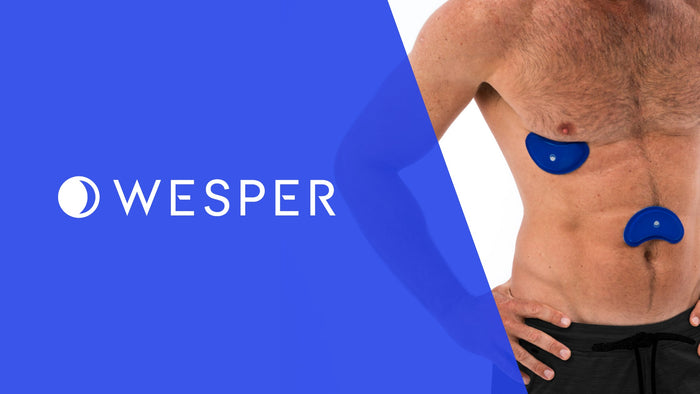
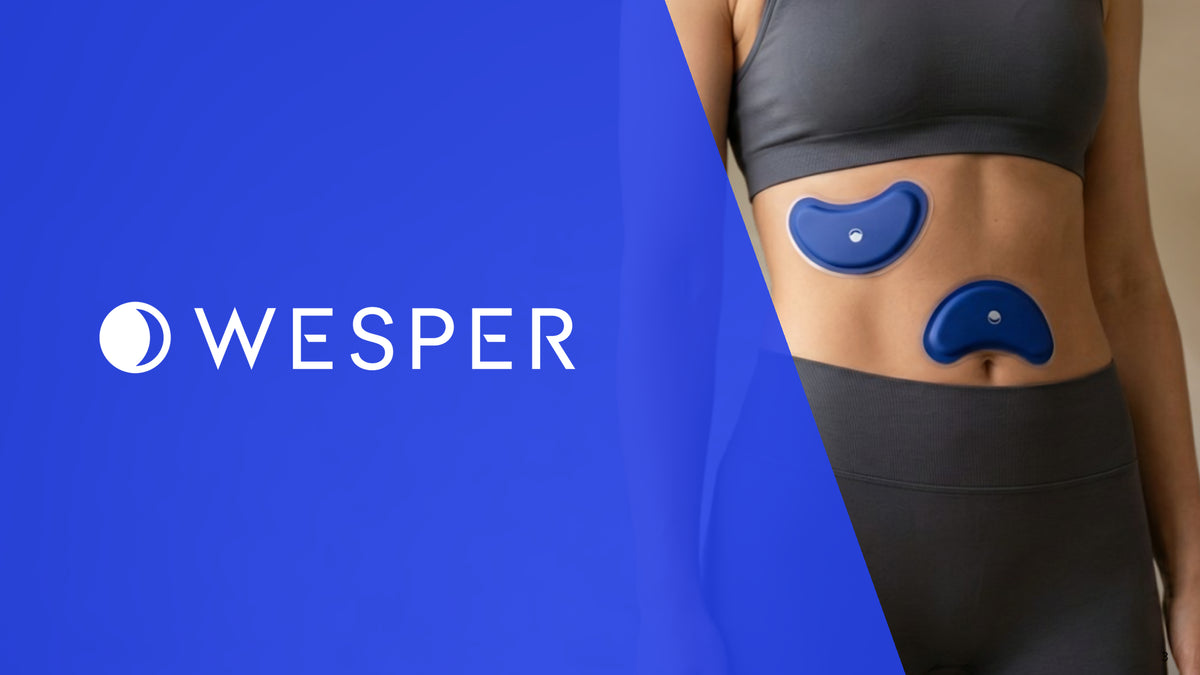
Wesper develops FDA-cleared home sleep testing medical devices, indicated for adult use only, with two levels of testing on one platform. Wesper Lab uses two wearable patches on the chest and abdomen to measure airflow and thoracic and abdominal effort with no nasal cannula, and Wesper Lite is a PPG-based sleep test in a ring format. Multi-night testing comes standard, and clinics can add optional access to board-certified sleep physicians for interpretation.
Frequently asked questions
Should an HSAT be used to screen patients without symptoms?
The AASM position statement says an HSAT should not be used for general screening of asymptomatic populations.2
Is a repeat HSAT appropriate after a negative result?
The AASM guideline does not recommend a repeat HSAT when the first test is negative, inconclusive or technically inadequate. It recommends polysomnography instead.1
Is HSAT recommended for patients on chronic opioids?
The guideline recommends polysomnography rather than HSAT for patients with chronic opioid medication use.1
How much data does a technically adequate HSAT need?
The guideline calls for at least 4 hours of technically adequate oximetry and flow data, obtained during a recording attempt that encompasses the habitual sleep period.1
Can a questionnaire replace an HSAT for diagnosing OSA?
The guideline recommends that clinical tools, questionnaires and prediction algorithms not be used to diagnose OSA in adults in the absence of polysomnography or HSAT.1
For program and device details, visit our page on home sleep testing for clinics.
This article is for general education and is not medical advice. Talk with a licensed medical provider about your symptoms and testing options.
Sources
- Kapur VK, Auckley DH, Chowdhuri S, Kuhlmann DC, Mehra R, Ramar K, Harrod CG. Clinical practice guideline for diagnostic testing for adult obstructive sleep apnea: an American Academy of Sleep Medicine clinical practice guideline. J Clin Sleep Med. 2017;13(3):479-504. aasm.org
- Rosen IM, Kirsch DB, Carden KA, et al. Clinical use of a home sleep apnea test: an updated American Academy of Sleep Medicine position statement. J Clin Sleep Med. 2018;14(12):2075-2077. aasm.org
- American Academy of Sleep Medicine. Home sleep apnea test. Sleep Education. Reviewed August 2020. sleepeducation.org
This article is for general information and is not medical advice. Talk to a healthcare provider about your sleep health.