Chronically Poor Sleep: Findings From a Crisis Center Sleep Study
Sleep disorders often remain undiagnosed and untreated, particularly among underserved communities facing socioeconomic challenges. In the United States, one-third of Americans report chronically poor sleep, and barriers to sleep testing and treatment are common. Only a fraction of people with sleep disorders receive a diagnosis and care.
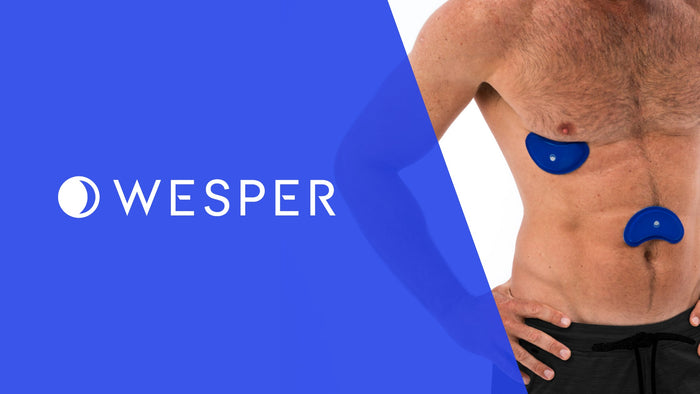
Wesper develops FDA-cleared home sleep testing medical devices used by clinicians. Wesper partnered with a nonprofit crisis center serving a diverse, low-socioeconomic community to assess the impact of stressful work environments and irregular shifts on sleep health. Most participants qualified as having untreated chronic insomnia, and 4 of 13 qualified as having untreated sleep apnea.
The study led to medical follow-up for participants with identified sleep disorders. The crisis center management team is revising its shift scheduling and planning educational programs on sleep hygiene and stress management.
One-third of Americans report chronically poor sleep, and the CDC estimates that approximately 70 million Americans have at least one sleep disorder. The two most common sleep disorders are insomnia and sleep apnea, and many people with them are never diagnosed or treated. Chronically poor sleep reduces quality of life and is a significant risk factor for many life-threatening conditions such as cardiovascular disease, stroke, diabetes, cancer, dementia, and mental health disorders.
Barriers to Sleep Testing
Several factors contribute to low rates of sleep testing in the United States. Access to sleep clinics is limited, especially in rural areas and low-socioeconomic communities. Testing wait times are long due to increased demand, a shortage of healthcare professionals, and delays caused by the COVID-19 pandemic. Additionally, in-lab sleep testing can be costly, especially for underinsured individuals. Finally, some individuals avoid sleep testing due to time constraints and comfort concerns.
Home sleep testing can reduce some of the factors that keep patients from accessing sleep studies. Wesper develops FDA-cleared home sleep testing medical devices used by clinicians. A medical provider orders the test, multi-night testing comes standard, and clinicians can review sleep data over time in the Wesper portal.
Sleep Testing for Underserved Communities: The Crisis Center Project
Recently, Wesper partnered with a nonprofit, Texas-based, crisis center in a diverse, low-socioeconomic area. The crisis support team provides 24/7 around the year support for individuals suffering from poor mental health and suicidal ideation. Due to working on a rotating schedule, which often includes overnight shifts, along with the emotionally charged nature of their environment, the crisis support team is at high risk for poor sleep, stress, and reduced wellbeing.
High stress, chronic sleep deprivation and other health challenges have led to low attendance and high turnover, resulting in chronic staffing shortages. Further, the crisis center management team recognized that their employees and volunteers were at a high risk for the same mental health challenges that their organization was trying to address in the greater community.
Many of the employees and volunteers at the crisis center are under the poverty line and come from backgrounds with low economic resources, resulting in social disadvantage, poor education, poor working conditions, housing insecurity, and residence in unsafe neighborhoods. Thus, access to quality healthcare is limited.
The goal of the partnership study with Wesper was to identify how a stressful work environment and rotating shifts affected the sleep of employees who do not have quality access to sleep testing centers. Further, the information collected would be used to screen employees for common sleep disorders and provide medical intervention. Additionally, the management team aimed to use the collected sleep data to reassess their shift scheduling practices, and implement company-wide educational programs on sleep and stress management.
Study Overview
The participants were asked to test with Wesper for a period of 8 weeks. Several data collection methods were used to gather enough information to understand the participants’ sleep struggles and sleep habits.
First, information about the participants’ lifestyle habits was assessed to determine factors that may be contributing to poor sleep. Before starting a Wesper sleep test, the app encouraged participants to complete questions about factors during the 12 hours before testing that may impact their sleep. Examples include, but aren’t limited to, questions about caffeine intake, exercise, light exposure, medications, and stress.
After completing each test, the Wesper app prompted the participants to answer questions about their subjective sleep quality, such as how well they perceived they slept, if there were any sleep disturbances, and how many times they got up to use the bathroom. Additionally, the app asked if they experienced any common symptoms of sleep disorders, such as snoring, frequent awakenings, or breathing difficulties.
The participants were also asked to fill out a sleep diary in the app, where they could list additional information not included in the questionnaires. Finally, the sleep schedule was evaluated by tracking nightly bedtime and wake time.
Second, various objective sleep and respiratory measures were collected to assess sleep quality and identify if participants were at risk for insomnia or sleep apnea. These metrics included standard indices such as sleep latency (SL), sleep efficiency (SE), total sleep time (TST), number of awakenings (#W), total awake time after sleep onset WASO, and sleep stage percentages. The Sleep Quality Index (SQI), a measure introduced by Wesper, considers sleep time, number of wakes, and a deep sleep time to provide an overall sleep quality percentage score.
Standard respiratory metrics were also collected to assess if a participant had sleep apnea. These metrics include the Apnea/Hypopnea Index (AHI), Central Apnea Index (CAI), Oxygen desaturation Index (ODI), SPO2 (oxygen saturation), and snoring. Additional respiratory metrics included Hypoxic Burden (HB), Respiratory Effort Related Arousal Index (RERA I), and Respiratory Disturbance Index (RDI).
Finally, Wesper collected additional data, including heart rate, sleeping position, ambient noise, and body temperature.
Study Outcome
The crisis center study objectively revealed the extent of the participants’ sleep issues over time. The majority of the participants qualified as having untreated chronic insomnia, and 4 of 13 participants qualified as having untreated sleep apnea. All participants had poor sleep quality and poor sleep habits.
On average, the participants had a sleep quality index of 65%, considered very poor. The average nightly total sleep time was 5.8 hours, which is 1.2 hours less than the recommended minimum for adults. The average number of awakenings after sleep onset was 6.6, 4.6 times higher than normal, demonstrating highly disturbed sleep. When evaluating sleep schedule consistency, Wesper showed that 12 out of 13 participants had a highly irregular bedtime and wake time, which varied by over 60 minutes.
The subjective data showed that participants rated their sleep quality better than the objective data indicated, suggesting that they underestimated the extent and severity of their sleep issues.
Conclusion
The findings of this study resulted in medical intervention for several participants, especially those found to be positive for sleep apnea and severe insomnia. Based on the findings, the crisis center management team is currently revising its scheduling rosters to prevent employees from having dramatic shift changes, which may reduce the risk of further disrupting their sleep. Additionally, new company-wide educational programs are planned to focus on better sleep habits and stress management.This article is for general information and is not medical advice. Talk to a healthcare provider about your sleep health.