OSA: Missed or Misdiagnosed? How Multi-Night Home Testing Helps


Several factors keep people with OSA from being diagnosed and treated. Individuals may be concerned about the consequences of reporting their symptoms. Access to sleep testing is low, and inadequate health coverage and long wait times can make a sleep test feel daunting or even impossible. It is easy to understand why someone may have concerns about the inconvenience and discomfort of a sleep study. They also could be intimidated by the possibility of needing a CPAP machine, and there is a lack of education on what that lifestyle change is like.
Home sleep testing ordered by a medical provider can lower some of these barriers by moving the test out of the lab and giving patients objective data about their breathing at night.

How OSA Is Diagnosed and Treated
Obstructive sleep apnea is an increasingly common disorder of repeated upper airway collapse during sleep, leading to oxygen desaturation and disrupted sleep. Features include snoring, witnessed apneas, and sleepiness. Complications of obstructive sleep apnea can include sleepiness during the day, trouble concentrating, and cardiovascular problems such as heart attack, high blood pressure, unusual heart rhythms, or stroke.
According to the American Academy of Sleep Medicine, only a medical provider can diagnose OSA. The need for a home sleep test is based on the patient's medical history and a face-to-face examination by a medical provider, and sleep specialists have training in how OSA interacts with other medical conditions.
Treatment depends on the patient. Options include CPAP, positional therapy, weight management, surgery, hypoglossal nerve stimulation, and other non-PAP therapies a provider may recommend. Adjusting a therapy such as oral appliance therapy can take from several weeks to several months, and the treating provider continues to monitor the response and track progress.
How Wesper Helps

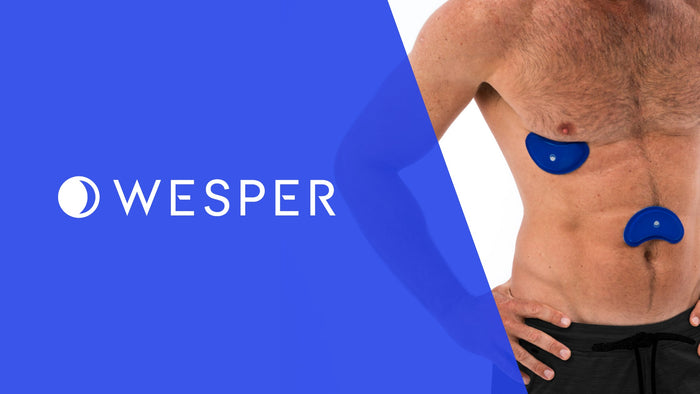
Wesper develops FDA-cleared home sleep testing medical devices used by clinicians. The Wesper sleep device presents data on the quality of the wearer’s sleep for clinician review. With a soft-touch exterior and gentle adhesive, the Wesper sleep patch is easy to apply and comfortable to sleep with.
Wesper can help at two stages of OSA care.
First, a provider-ordered home sleep test can show a patient how untreated OSA may be affecting their sleep and quality of life. Many patients are “on the fence” about starting treatment, and objective data from several nights can help them and their provider decide what to do next.
Second, once therapy begins, Wesper tests taken over a few weeks give the treating provider data on how the patient is responding, including to small adjustments. That data helps the provider adjust the therapy and balance effectiveness with comfort.
In both stages, Wesper gives the care team objective, multi-night data during diagnosis and treatment.

The Wesper Experience
Background:
JC is a healthy 43-year-old male with a normal BMI. He previously underwent a home sleep test after years of suffering from excessive daytime sleepiness, snoring, and occasional breathlessness after waking. He was prescribed a PAT-based home sleep test to check for OSA and evaluate snore volume and wakefulness. After he got his result, he followed up with his primary care physician and it was deemed unnecessary for additional testing or treatment, despite JC continuing to be symptomatic for OSA. He also purchased an over-the-counter oral appliance in hopes of treating his symptoms.
JC’s Testing With Wesper:
To further evaluate his sleep issues, JC took a total of 11 initial Wesper tests, 3 of them with the appliance, and then reviewed his results with a sleep specialist. On review of his data, JC demonstrated mild-moderate inconsistent breathing which fluctuates from night to night, and testing across multiple nights made that variation visible. His worst nights averaged 12-17 breathing events per hour. The appliance reduced his breathing events by an average of 3 events per hour, which was not enough to improve his overall breathing quality. After reviewing his health and sleep history, his symptoms, his previous sleep study, his Wesper data and his pulse oximetry data, the sleep specialist concluded that a full PSG would likely be the next step to evaluate for mild OSA. Because the appliance had a mild positive effect on his breathing quality, a prescription version with titration might improve it further.
Result:
JC took his Wesper results and the specialist’s recommendations to his PCP, who acknowledged there is likely an issue and apologized for not previously taking his concerns seriously. JC was referred to a sleep clinic for a full PSG for further evaluation. While JC waits for his PSG, he continues to test with Wesper while trying various OTC therapies to improve his breathing and sleep quality. With trial and error and continued review of his results, JC has reduced his average breathing events per hour from 8 to 4.
This article is for general information and is not medical advice. Talk to a healthcare provider about your sleep health.