 provider portal











our MULTI-DIMENSIONAL DATA


Explore the power of Wesper’s FDA-cleared sleep diagnostics, delivering Level 3 HSAT data—including respiratory effort, airflow, SPO2, heart rate, and more.
Wesper's FDA-cleared airflow channel captures the signal that matters most for reliable AHI scoring. This isn't a minor spec difference. It's why Wesper achieves >95% correlation to PSG.
FDA-Cleared HSAT
Signals Include
- Thoracic effort
- Abdominal effort
- Body position
- Airflow
- Pressure
- SPO2 & HR
- Sleep staging
Additional Signals Include:
- Snoring
- Movement
- Respiratory rate
- Skin temperature
- And more
FAQs
The FDA has cleared Wesper's airflow and respiratory effort channels as substantially equivalent to a nasal cannula — delivering the clinical reliability of legacy home sleep tests without the cannula or belts.
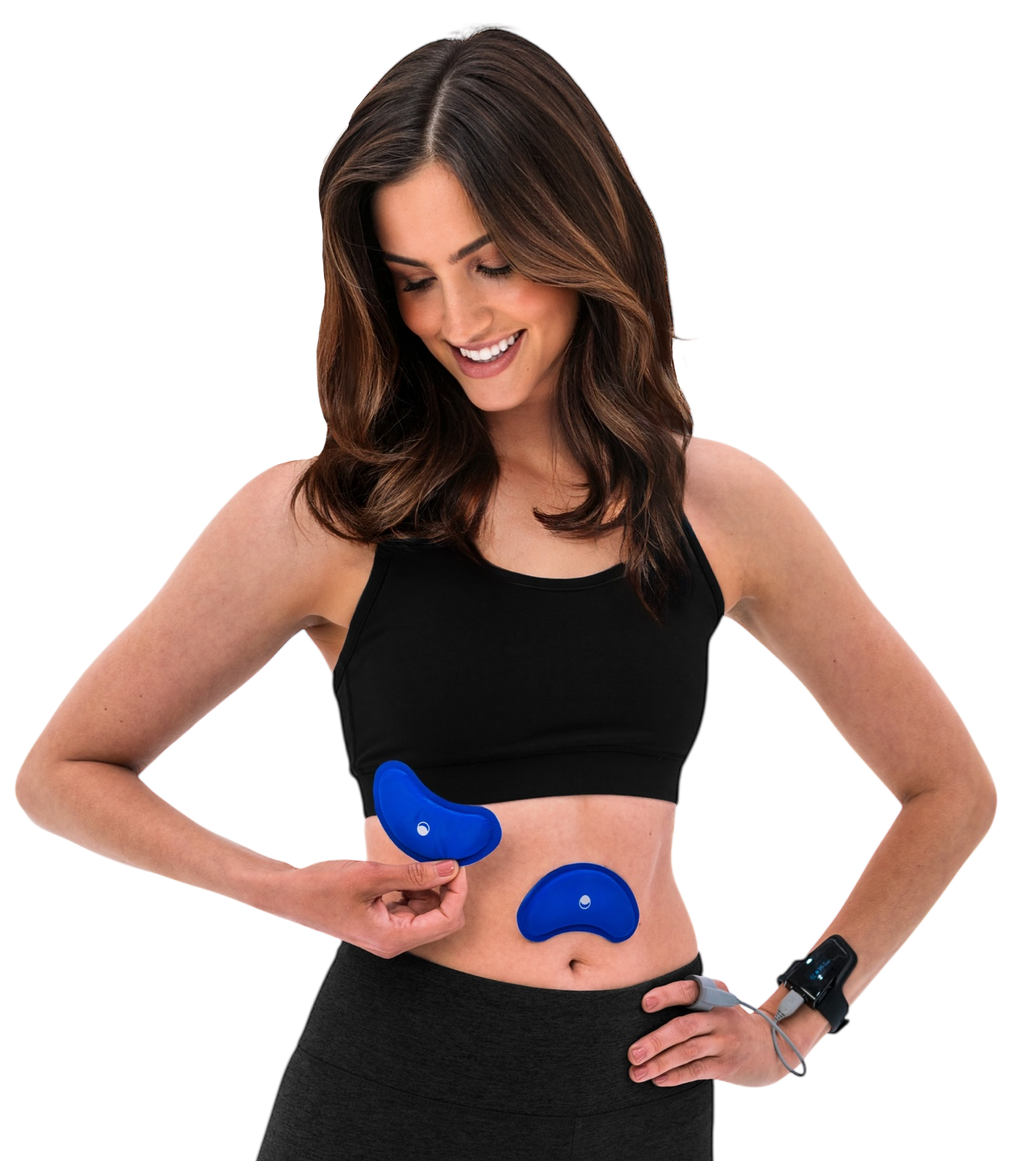
Here's how it works: two small wireless patches (chest and abdomen) measure respiratory effort directly from the breathing muscles. As the torso expands and contracts, the patches capture that motion and sum the signals into a validated airflow measurement. A fingertip pulse oximeter adds oxygen saturation and heart rate.
The result: a simpler test for patients, equivalent data for clinicians.
Sleep isn't the same every night. Breathing patterns, sleep position, and apnea severity can shift meaningfully from one night to the next — a single-night study can miss events that would show up on a different night.
Wesper's reusable patches let patients test for multiple nights in their own bed, giving clinicians a more representative picture of how someone actually sleeps over time. This longitudinal view is especially useful for tracking changes during treatment, such as weight loss therapy or oral appliance titration.
Wesper is designed to be worn like a normal night of sleep. The patches are thin, flexible, and adhere to the skin with a gentle medical-grade adhesive — there are no wires connecting the patches to a recorder, no belts wrapping around the chest, and no tubes in the nose. Data transmits wirelessly over Bluetooth to a companion app.
Yes. Wesper is built to support the diagnosis of both obstructive and central sleep apnea. Because the two patches measure respiratory effort directly from the chest and abdomen — rather than inferring breathing from a pulse signal — physicians can differentiate between obstructive events (airway blockage with continued breathing effort) and central events (where the brain briefly stops signaling the body to breathe).
from the wesper journal
Discover Our
Clinical Validations
Wesper requires no large capital ourchases. No equipment purchase, no inventory to manage, no capital tied up in devices. Wesper's direct-to-patient dropshipping model means your practice gains diagnostic capability without the financial friction — and with a 99% patient success rate, you're not absorbing the cost of repeat tests either.


