 provider portal











our MULTI-DIMENSIONAL DATA


Explore the power of Wesper’s FDA-cleared sleep diagnostics, delivering
Level 3 HSAT data—including respiratory effort, airflow, SPO2, heart
rate, and more.
Go beyond the basic with advanced insights like hypoxic burden, sleep
staging, and leg movement analysis—giving providers a richer,
clinically-relevant picture of their patients’ sleep health.
FDA-Cleared HSAT
Signals Include:
- Thoracic effort
- Abdominal effort
- Body position
- Airflow
- Pressure
- SPO2 & HR
- Sleep staging
Additional Signals Include:
- Snoring
- Movement
- Respiratory rate
- Skin temperature
- And more
FAQs
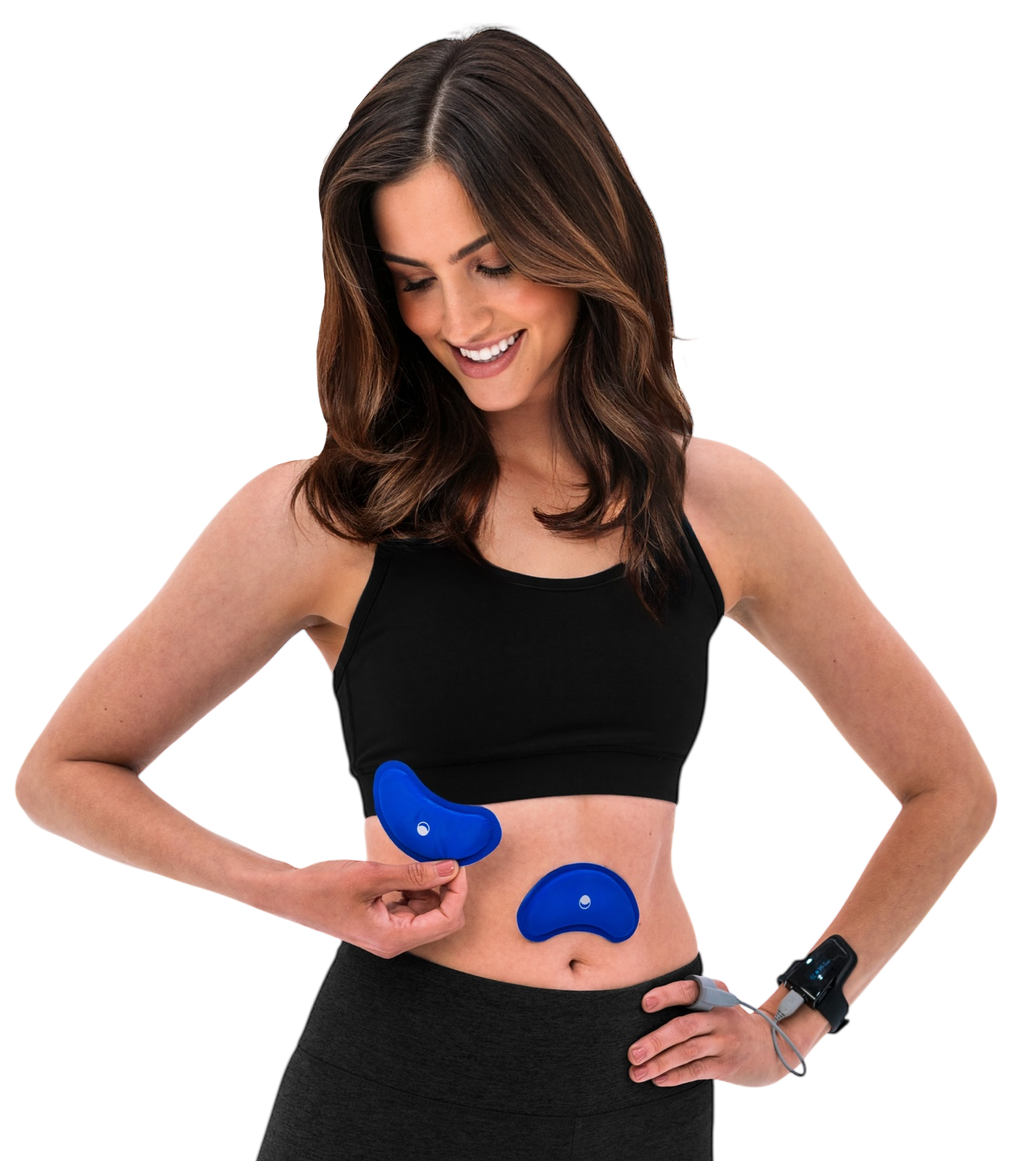
Wesper uses two small wireless patches — one on the chest, one on the abdomen — to measure respiratory effort directly from the body's breathing muscles. As the chest and abdomen expand and contract, the patches record that motion and combine the two signals to derive airflow, using a well-established technique called RIP SUM (Respiratory Inductive Plethysmography).
A fingertip pulse oximeter captures oxygen saturation and heart rate alongside the patch data. This setup replaces the nasal cannula and elastic belts used in traditional home sleep tests.
Sleep isn't the same every night. Breathing patterns, sleep position, and apnea severity can shift meaningfully from one night to the next — a single-night study can miss events that would show up on a different night.
Wesper's reusable patches let patients test for multiple nights in their own bed, giving clinicians a more representative picture of how someone actually sleeps over time. This longitudinal view is especially useful for tracking changes during treatment, such as weight loss therapy or oral appliance titration.
Wesper is designed to be worn like a normal night of sleep. The patches are thin, flexible, and adhere to the skin with a gentle medical-grade adhesive — there are no wires connecting the patches to a recorder, no belts wrapping around the chest, and no tubes in the nose. Data transmits wirelessly over Bluetooth to a companion app.
Yes. Wesper is built to support the diagnosis of both obstructive and central sleep apnea. Because the two patches measure respiratory effort directly from the chest and abdomen — rather than inferring breathing from a pulse signal — Wesper can differentiate between obstructive events (airway blockage with continued breathing effort) and central events (where the brain briefly stops signaling the body to breathe).
Wesper's autoscoring algorithm automatically identifies and scores central apnea events, producing a Central Apnea Index (CAI) alongside the standard AHI. A qualified physician reviews the scored report to make the clinical diagnosis, giving providers the data they need to distinguish CSA from OSA and select the right treatment path.
from the wesper journal
Discover Our
Clinical Validations
The PAT signal detects sympathetic nervous system activity in the finger — a secondary response to apnea events, not a direct measurement of breathing. This indirect approach is affected by cold extremities, poor peripheral circulation, cardiovascular conditions, and peripheral neuropathy.
PAT based devices explicitly excludes these patients from indicated use. Wesper's sensors track chest and abdominal movement directly — independent of peripheral factors.


