What Is a CPAP Machine?

Introduction
A CPAP machine is a device that treats sleep apnea by delivering steady air pressure through a mask during sleep. According to the American Academy of Sleep Medicine (AASM), CPAP is the frontline treatment for sleep apnea and is recommended for most patients.
What is a CPAP machine?
CPAP stands for continuous positive airway pressure. A CPAP machine delivers pressurized air through a hose and mask to keep the airway open during sleep. It is one type of positive airway pressure (PAP) therapy.
Sleep apnea is a condition in which breathing repeatedly pauses during sleep. The pauses can cause awakenings throughout the night and are often accompanied by loud snoring.
What is the CPAP machine for?
CPAP machines are used to treat obstructive sleep apnea (OSA). OSA occurs when tissues in the throat collapse during sleep, which blocks airflow and interrupts breathing. The steady flow of pressurized air from the CPAP machine keeps the airway open so that breathing is not interrupted.
How does the CPAP machine work?
A CPAP machine connects through a hose to a mask. Depending on the mask, it sits over the nose, over the nose and mouth, or at the nostrils. A provider sets the air pressure, and the steady airflow holds the airway open as you breathe.
Untreated sleep apnea can have a negative effect on health. The AASM lists hypertension, heart disease, stroke, prediabetes and diabetes, and depression among the conditions associated with it.
What are the benefits of using a CPAP machine?
When used as prescribed, a CPAP machine can help with:
- Sleep quality, because breathing is not repeatedly interrupted
- Daytime sleepiness and fatigue
- Snoring
Better sleep can also support energy and concentration during the day. Results vary from person to person and depend on using the machine as prescribed.
Is the CPAP machine difficult to use?
A medical provider prescribes CPAP after a sleep apnea diagnosis, and the provider or equipment supplier explains how to set up and use the machine. Depending on the mask, you put it on and adjust the straps so it fits snugly without being too tight. Then you turn on the machine and breathe normally.
Many people need time to adjust. If you feel claustrophobic, or have a dry mouth, nasal congestion or skin irritation, tell your provider. A different mask type or size, or a change in settings, may help. Our article on common CPAP machine problems covers more.
Are there other options besides a CPAP machine?
CPAP is recommended for most patients, but other options exist for patients who cannot or prefer not to use it. Depending on test results and overall health, a provider may discuss positional therapy (for sleep apnea that occurs mainly when sleeping on the back), weight management, surgery, hypoglossal nerve stimulation and other non-PAP therapies.
Each option has its own risks and side effects, and candidacy depends on the patient. The AASM notes that losing weight may help but is not guaranteed to eliminate sleep apnea. Talk with your provider before changing your treatment.
How do I get a CPAP machine?
A medical provider prescribes a CPAP machine after diagnosing sleep apnea. The diagnosis comes from a sleep test, either an in-lab sleep study or a home sleep apnea test ordered by the provider. Coverage depends on your insurer. For example, Medicare covers an initial 12-week period of CPAP for adults with OSA who meet CMS criteria.
Masks come in different types and sizes, and a good fit helps the machine work properly. Ask your provider or equipment supplier to help you choose a mask and size that suit your face shape and sleeping position.
Why Sleep Apnea Treatment Matters
Sleep apnea is a serious sleep disorder that needs to be treated, according to the AASM. When it is not treated, poor sleep quality can leave you tired throughout the day, and the lack of oxygen can affect your health over time.
Conclusion
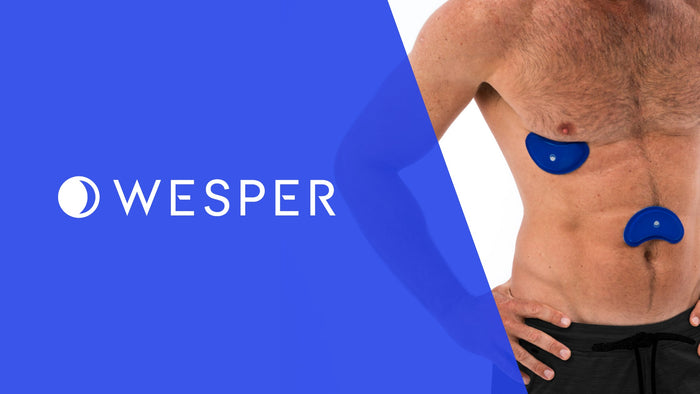
If you have sleep apnea or suspect you do, talk with your doctor about which treatment options fit your test results. Wesper develops FDA-cleared home sleep testing medical devices used by clinicians, and a medical provider orders the test. Providers can learn more on the professional page. Talk with your doctor or sleep provider about home sleep testing.
This article is for general information and is not medical advice. Talk to a healthcare provider about your sleep health.