Solutions for 10 Common CPAP Machine Problems
Air Leaks

If air is slipping out from behind your mask, you’re not getting the pressure you need to keep your upper airways open so that you continue breathing throughout the night.
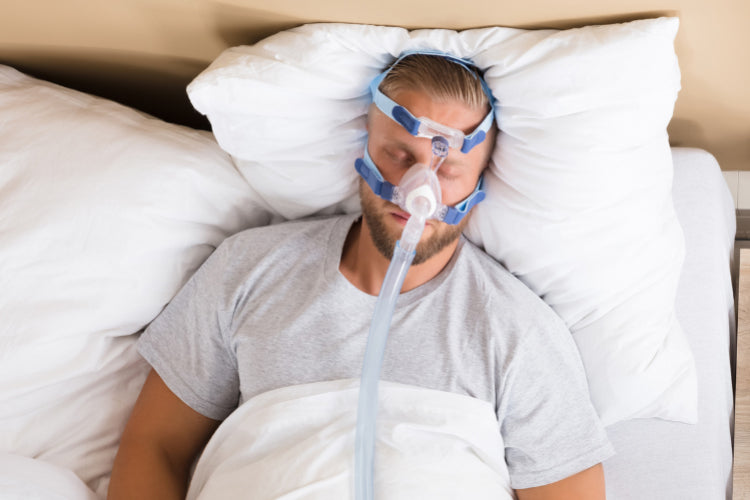
Talk to your sleep technologist or your CPAP provider to see if you can adjust the size or change the type of mask you use. If you’re experiencing air leaks, it is possible that your mask does not fit you properly. There are 3 types of masks commonly available in the market: full face mask (covers nose and mouth), nasal mask (covers only nose), and nasal pillow (inserts into your nostrils). If air leaks continue, ask whether a different mask type might fit you better.
Inspect your mask periodically to make sure it’s still intact. Damage to the mask, such as cracks and tears, can cause air leaks.
Uncomfortable Mask

Do you feel uncomfortable because the mask you’re wearing is putting pressure on your delicate skin?
Switch the type of mask you use to alleviate pressure and friction. It is not uncommon for people to wear masks that are too tight or too loose, causing friction on their skin. If your mask causes too much pressure, switch the type you use! We mentioned that there are 3 types of masks you can choose from, but there are also many subcategories. It can take some trial and error to find the mask that suits you.
Note: Nasal masks are only appropriate for nasal breathers. Many people try a nasal mask even though they breathe through their mouth. If you tend to breathe through your mouth, or your mouth opens at night, a nasal mask will not work efficiently and can cause discomfort.
Loud Machine

Most new generations of CPAP machines are very quiet, especially compared to the old generations. If you go to sleep one night and find your CPAP machine making loud noises, it may be due to an air leak or a clogged filter.
Go through the entire machine (the mask, the tubing, and the machine itself) to check for air leaks. Check particularly the hoses because they move around a lot at night and can get more damage compared to other areas of the machine. Once you’ve determined where the air leaks come from, replace the component. If the air leaks from the machine itself, check with your manufacturer to see if you can have a replacement.
Change filters regularly. Follow the manufacturer’s instructions for changing the filter, because many filters need regular replacement. A clogged filter can increase the sound of your machine.
Water Build Up (in or on your mask and tube)

If you’re experiencing water build up in your mask and tube, it means that the inner tube and mask is warmer than the environment, or your room temperature, which causes condensation.
Try to equalize the temperature of the inside of your mask and tubing to the environment through:
- Increasing the temperature of your bedroom
- Running your hose under your blanket so that your body temperature will increase the temperature outside the hose
Note: Most new-age machines have heated tubes that prevent condensation. If you have a relatively new machine and still have the water problem, you may want to talk to the manufacturer to check the heating mechanism. If you have an older machine, ask your equipment provider whether heated tubing is available for it.
Hose Tangles
If you move around a lot at night, your hoses may get tangled up. This can be problematic because if your hose is blocked, you will not be able to get the pressure required to keep your airways open.
Opt for an over-the-head tubing system. An over-the-head tubing system, as its name suggests, enables you to put the hoses over your bed so the hoses become easier to organize.
Use a CPAP Pillow. A CPAP Pillow is made to position your CPAP and your tubing in a comfortable position so that you can sleep in multiple positions.
Trouble Sleeping

We like consistency. When we change things dramatically in our environment, it becomes very difficult for us to relax, especially when you add a mask and tubing to your sleep.
Here are some tips for you to relax when you’re starting with using CPAP machine:
Start using CPAP during the day. Sit and relax with the mask on for a short time so your body can adjust to the feeling of a mask on your face and pressurized air.
Do relaxing activities for 30 minutes before you go to bed so that you’re in a very relaxed state when you put your CPAP on.
Go easy on yourself. Do not expect to fall asleep perfectly in the first few nights of using CPAP. The goal of using CPAP is to adjust yourself to the machine and eventually make yourself comfortable enough to use it nightly.
Ask your provider about comfort features such as a ramp setting, which starts the pressure lower. Do not change your prescribed pressure on your own.
Skin Irritation

One of the side effects of using the CPAP machine is that you may get skin irritation from wearing the mask. Pay attention, because the irritation may be a contact allergy.
Talk to your provider about getting a different type of mask if you’re getting rash and blisters.
Clean your mask as the manufacturer recommends so that dirt does not build up and cause skin issues.
Trouble Switching Sleeping Position

Use a nasal pillow or nasal mask. It’s a lot easier for you to sleep on your side using a nasal pillow or nasal mask compared to using a full face mask. This is also true if you use the over-the-head tubing system.
Get a CPAP pillow, which can be specifically made for people who sleep on their side.
Dry Lips

If you’re using a nasal pillow or nasal mask but you are used to breathing with your mouth open during the night, air will rush out of your mouth and make your throat and lips dry.
Discuss with your sleep technicians whether you should change into a full face mask.
Ask your provider whether a chin strap could help keep your mouth closed while sleeping.
Ask your provider about a dry mouth product or lip moisturizer to use before you sleep.
Nasal Congestion
Speak to your doctor to see if it’s caused by medical reasons like allergies.
Ask your provider about nasal sprays or dilators.
Conclusion
Using CPAP in the first few weeks can be uncomfortable. Many common problems improve with the right mask fit, settings and support from your provider, so tell your provider about any problem that continues. Providers can use multi-night home sleep testing to follow how a patient responds to therapy.
Wesper develops FDA-cleared home sleep testing medical devices used by clinicians, and a medical provider orders the test. Providers can learn more on the professional page. Talk with your doctor or sleep provider about home sleep testing.
Learn how the CPAP machine helps you date with confidence.
This article is for general information and is not medical advice. Talk to a healthcare provider about your sleep health.