CPAP and Brain Fog: What People Report After the First Night
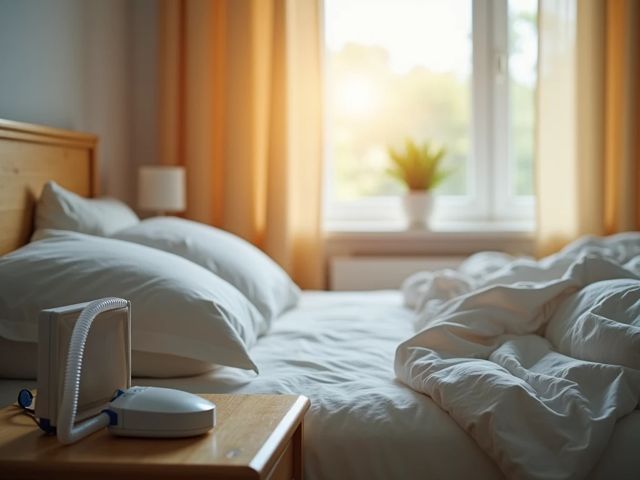
Some people report clearer thinking and less brain fog soon after starting CPAP therapy, which keeps the airway open during sleep. Experiences vary, and a medical provider guides treatment.
- What People Report After the First Night
- How CPAP May Affect Brain Fog
- Home Sleep Testing and CPAP Follow-Up
- Long-Term Strategies to Maintain Clarity
What People Report After the First Night

Some people with sleep apnea report feeling more alert soon after they start CPAP (Continuous Positive Airway Pressure) therapy. This article covers why that may happen and how to keep it going.
Clearer Mornings
Some people describe feeling clearer the morning after starting CPAP. With the airway kept open, more consolidated sleep may make mornings feel less sluggish.
Short Sessions and Longer Sleep
- In online discussions, some people report feeling more alert after a short session on CPAP.
- Some say they slept longer than usual at first, which may reflect the body recovering from long-term sleep deprivation.
- Better recall of names, tasks, and conversations comes up often in these accounts.
Personal Accounts
Some people who had chronic fatigue describe feeling more awake after only six hours of CPAP, as in this online discussion of sleep apnea experiences. These are individual accounts, not study results, and the time it takes to feel a difference varies.
What to Expect
Not everyone notices a change right away. If you start CPAP therapy, talk with your doctor or sleep provider about what to expect and how to adjust the mask and settings.
How CPAP May Affect Brain Fog
Airway Support During Sleep
CPAP delivers a steady flow of air that keeps the airway open during sleep, which can reduce the breathing interruptions that wake you. An overview of sleep deprivation impacts describes how missing out on restorative rest harms reflexes, mood, and overall cognitive function.
Adding CPAP to a nightly routine may help with:
- Fewer sudden awakenings from breathing interruptions
- Fewer periods of low oxygen during sleep
- Memory, which depends on getting enough sleep
- Daytime alertness
Reports of Sharper Thinking
Some new CPAP users describe feeling sharper within days. In one online account, a person said their mind felt “ten times sharper” after five days of therapy. Individual accounts like this are not a promise of results, and how quickly someone feels a difference varies.
Home Sleep Testing and CPAP Follow-Up

Home Sleep Testing
Wesper develops FDA-cleared home sleep testing medical devices used by clinicians. A medical provider orders the test. Wesper Lab is two wearable patches on the chest and abdomen. It measures airflow, thoracic and abdominal effort, body position, SpO2, heart rate and sleep staging, with no nasal cannula. Wesper Lab is indicated for adult use only.
Follow-Up Testing During Therapy
A provider can use repeat home sleep testing to see how sleep apnea measures change after CPAP starts. Wesper provides full access to raw data for clinician review, and multi-night testing comes standard. The portal shows multi-night and longitudinal trends, including AHI at 3% and 4%, oxygen desaturation index (ODI) and hypoxic burden.
Long-Term Strategies to Maintain Clarity

Staying with CPAP matters for lasting benefit. Skipping nights can bring symptoms back, so talk with your provider if CPAP is hard to use.
Prioritizing Sleep Hygiene
- Keep a regular bedtime and a cool, comfortable bedroom.
- Limit caffeine (especially in the afternoon) and reduce screen time before bed.
- Combine these habits with CPAP to avoid the mental haze that can return when routines slip.
Ongoing CPAP Tips and Adjustments
Regular check-ins with a healthcare professional (in person or via telehealth) help keep pressure settings and mask fit working for you. Small changes in comfort features or humidity levels can make a difference. Providers who use Wesper can review follow-up test data in the Provider Portal.
Professional Oversight
If you want an at-home evaluation, talk with your doctor or sleep provider about home sleep testing. A medical provider orders the test. Providers can learn more on the Wesper professional page.
- Stick to regular CPAP use.
- Monitor mask fit often.
- Maintain consistent bedtimes.
- Minimize late-day caffeine and bedtime screen time.
Using CPAP as prescribed, checking in with your provider, and keeping steady sleep habits can support clearer thinking over time.
Sources
CPAP therapy: National Heart, Lung, and Blood Institute and Sleep Foundation. Sleep deprivation: Eachnight overview. Personal accounts: online discussion of sleep apnea experiences.
This article is for general information and is not medical advice. Talk to a healthcare provider about your sleep health.